
Digital Literacy and the Art of Reading in the Modern Era
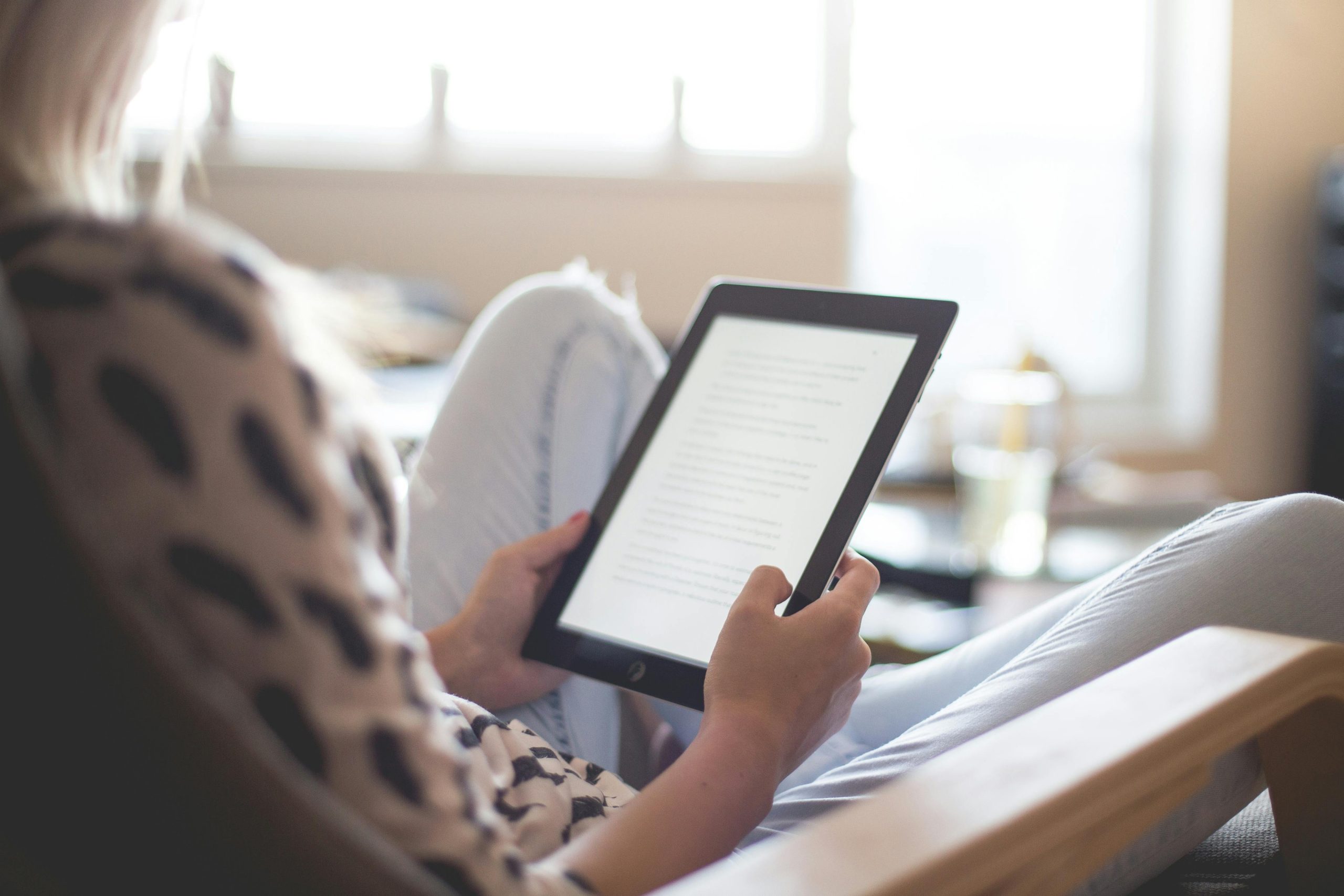
October 27, 2025 11:12 am Leave your thoughtsReading used to mean holding a book smelling of paper and ink flipping pages by the dozen. That’s changed. Today people read everywhere—on phones while commuting on tablets during lunch breaks, even on smartwatches if the screen allows.
The New Kind of Reader
The idea of being “well-read” no longer ties itself to libraries or bookshelves. It now includes navigating menus scanning long-form journalism skimming through research papers and even decoding a meme.
What’s interesting is that reading has expanded but not disappeared. Screens didn’t kill reading habits—they morphed them. Many people include Z-library in their daily reading habits and that speaks volumes. This e-library serves not only as a vast collection of books but also as a symbol of how modern readers are adapting. People are still hungry for stories, knowledge and context—they’re just finding it in new places.
Literacy Now Means More Than Just Reading
Digital literacy isn’t just being able to read a paragraph on a screen. It means knowing how to judge what’s worth reading. Algorithms push content fast and often it’s a flood. Knowing how to swim through that flood matters. Readers need to distinguish facts from noise intent from manipulation and truth from trend.
Reading today often means juggling sources skimming with purpose and sometimes digging deep. A reader who can switch between a classic novel a news article and a data chart without missing a beat has built real muscle. It’s a new skillset. Somewhere between a librarian’s order and a detective’s instinct. And it changes how books are seen. They’re not just for leisure anymore. They’re training grounds.
Smooth transitions matter in both reading and writing—on that note, here’s a look at three key traits that define the modern reader:
Curious by Nature
Curiosity isn’t just about asking questions—it’s about chasing answers even when they hide behind long URLs or dense vocabulary. Curious readers don’t stop at the first link or the first headline. They dig deeper. That means exploring lesser-known authors independent publishers and yes e-libraries that stock rare finds. This habit builds a broader view. It also sharpens the reader’s internal filter—the more they see the more they understand what feels off or shallow.
Selective Without Snobbery
The new reader isn’t a snob. They might read “Moby-Dick” one day and a graphic novel the next. They pick what fits their need at the moment. The format doesn’t define the value. It’s all about intent and attention. Reading a Reddit thread about science or a translated poem on an e-reader both count when the mind stays open. Being selective means knowing when to slow down or speed up and that’s a sign of control.
Willing to Learn from Structure
Good readers notice structure. They sense rhythm in sentence length patterns in arguments and purpose in headings. That skill pays off not just in literature but also in life. Being able to spot structure in chaos helps with everything from following a debate to understanding a contract. That’s where reading sharpens more than the mind—it shapes decision-making too.
The shift toward reading on screens hasn’t erased the value of classic knowledge. It’s made that knowledge more accessible. One example — https://en.wikipedia.org/wiki/Z-Library — shows how readers cross-reference and validate information. Not by default but by habit. It’s not about replacing books but understanding where they now sit in the bigger picture.
Stories Still Have Power
Despite screens notifications and noise stories remain sticky. They root ideas into memory. The art of reading isn’t just about decoding letters—it’s about absorbing tone pace and point of view. That’s where digital literacy meets emotional insight. Reading well means feeling the shape of the sentence and the soul of the speaker.
Every era brings its own reading rituals. Ours just happens to include scrolling and tapping. But when someone pauses really pauses to read with attention the effect isn’t diluted. It’s transformed. That’s how books survive. And that’s how reading continues—quietly shaping thought in a noisy world.
Categorised in: All Blogs
This post was written by Powered by thefootballforum.net