

How Data and Tactical Thinking Have Changed the Way We Talk About Football
April 20, 2026 1:59 pm Leave your thoughtsFootball has always run on passion. A last-minute winner, a controversial red card, a wondergoal from nowhere — these moments don’t need analysis, they just happen to you. But somewhere between the rise of Guardiola’s press and the explosion of football Twitter, something changed quietly. The watching stopped being enough. People wanted to know why.
The numbers changed what we fight about
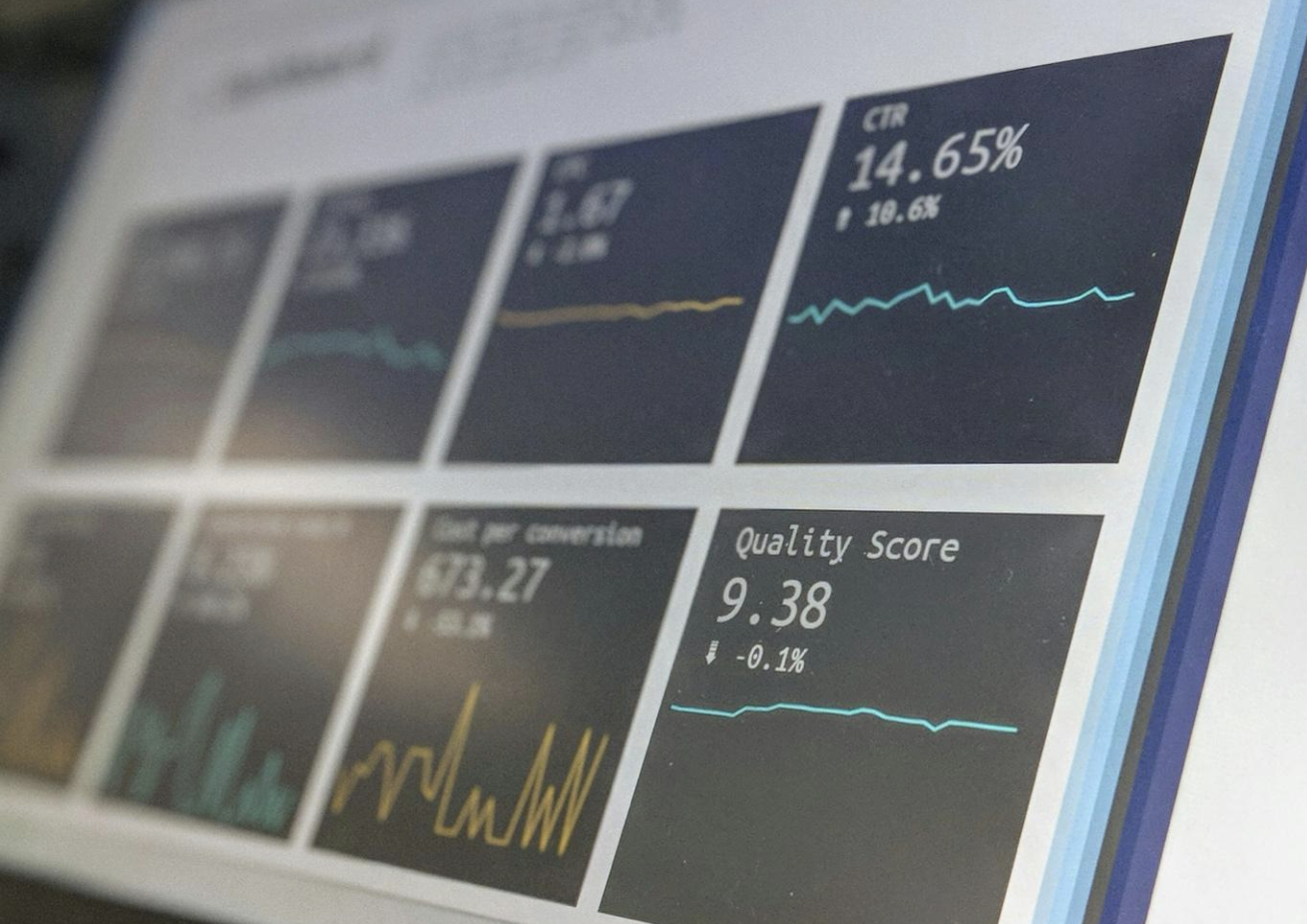
Expected goals might be the most divisive stat in modern football, and that’s partly what makes it interesting. It gives fans something concrete to push back against — a way to say “yes, we lost, but we actually created the better chances” or, more painfully, “we dominated possession and still deserved to lose.” Before xG, those arguments lived entirely in the realm of vibes. Now there’s at least a framework.
The same goes for pressing metrics, defensive line height, passing networks. These aren’t just analyst tools anymore. They’ve filtered down into Reddit threads and YouTube breakdowns made by fans who never played the game professionally but clearly understand it deeply. None of this kills the emotion. If anything, it sharpens it. When you understand why a goal happened — that the striker received the ball already inside the defensive block because the midfielder lost his shape — the frustration or the joy hits differently.
Tactical awareness has raised the floor
The Guardiola era did something unusual: it made football’s complexity legible to ordinary fans. Suddenly concepts like the half-press, inverted wingers, and positional play weren’t reserved for coaching badges. They were on YouTube. They were in match previews. They were in post-match rants from supporters who were furious their team had been tactically outclassed and could now articulate exactly how.
Klopp’s Liverpool did the same thing with gegenpressing. Fans weren’t just watching a high-energy pressing team — they were learning to read the trigger moments, the coordinated traps, the deliberate surrender of the ball to win it back in dangerous positions. That kind of tactical literacy spreads. It gets shared in communities, debated in threads, worn down and sharpened through repeated argument until something close to consensus forms — or doesn’t, which is usually more interesting.
Online communities are doing real analytical work
What’s genuinely changed is where the quality thinking lives. Forum threads and YouTube channels run by supporters are producing work that a professional analyst from ten years ago would recognise as serious. That’s not because fans got smarter overnight — it’s because the data stopped being locked away. StatsBomb publish free datasets. Wyscout prices have dropped. Tools that once lived inside club analytics departments are now sitting on someone’s laptop in their spare room.
The crowd that gravitates toward these spaces isn’t really looking for someone to blame after a bad result. They want to reconstruct what happened and understand it. Those conversations take longer and go further than most people want to follow, but they produce something — a sharper eye, a less credulous reading of the easy narrative, a habit of actually checking before asserting.
What the numbers still can’t tell you
None of this means the numbers have it figured out. A striker’s xG profile tells you nothing about whether he’s the kind of player who goes missing when it matters or the kind who scores in finals. Stats capture outcomes — they don’t always catch the conditions that produced them. Plenty of dominant possession numbers have been run up by teams that were quietly terrified of what would happen if they actually committed forward.
Momentum is real. Confidence is real. A manager’s half-time words can change a game in ways no algorithm will ever measure. The most interesting conversations about football are the ones that use the data as a foundation, not a ceiling — that know when the numbers are telling the story and when the story is bigger than the numbers.
This analytical mindset has a natural spillover into how people approach prediction. When you’ve spent time studying squad depth, fixture congestion, and pressing intensity trends, you develop a more structured view of likely outcomes — which is partly why the best online sportsbooks have increasingly built their interfaces around this kind of data literacy, reflecting odds that mirror tactical context rather than just recent form. For the analytically inclined fan, the market has become another lens to read the game through — not a replacement for watching, but a byproduct of actually understanding what you watched.
Where is this all heading
The information available to fans now would have been unrecognisable to someone watching football in 2005. Live data during broadcasts, detailed post-match breakdowns, tactical maps that update in real time — some of this is already mainstream and the rest is coming. What a dedicated supporter can pull together on their own has closed the gap with professional analysis considerably, and that trajectory isn’t slowing down.
But none of it changes the basic thing. Football still produces results that make no statistical sense and moments nobody predicted and goals that feel like they came from somewhere outside the game entirely. The analysis will always be running a step behind, trying to explain what just happened. That’s not a flaw — that’s the whole point of watching.
Categorised in: Uncategorised
This post was written by Powered by thefootballforum.net