
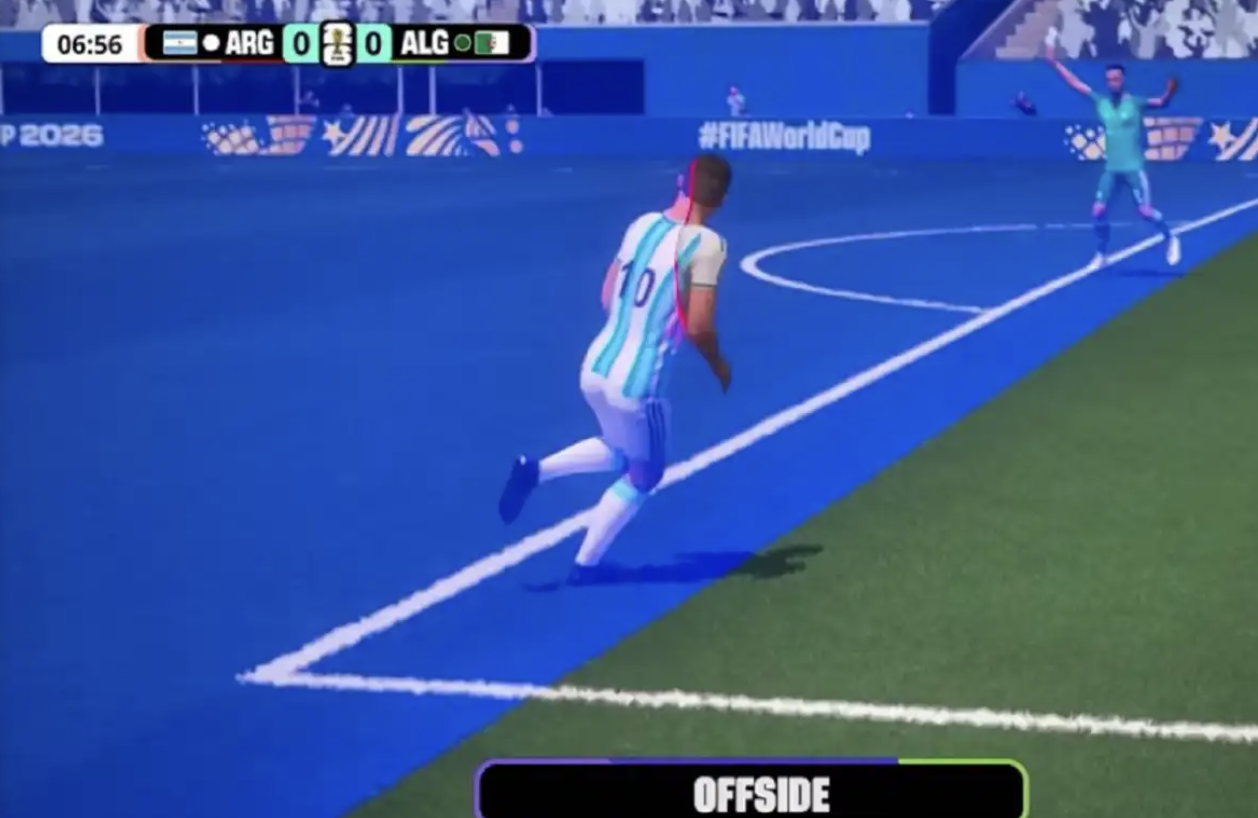
How multi-camera tracking systems are changing tactical analysis in football
July 15, 2026 1:20 pm Leave your thoughtsFootball has always been a game decided by fine margins. The difference between a championship and a mid-table finish often comes down to details that the naked eye simply misses. Multicamera tracking systems have changed that completely. By mounting multiple high-definition cameras around a stadium and connecting them to automated software, clubs can now capture every movement of every player across every second of a match.
The result is a dataset so precise that it reshapes how coaches prepare, how analysts work, and how the sport is understood at every level. The implications stretch far beyond the technical staff.
How the Technology Actually Works
A standard multicamera tracking setup uses between eight and eighteen cameras positioned at fixed points around the stadium. Each camera records at high frame rates, and the footage feeds into software that uses computer vision algorithms to identify and label every player on the pitch. The system assigns a unique ID to each individual and logs their exact position multiple times per second throughout the match.
From that raw positional data, the software derives a wide range of metrics: sprint distances, acceleration and deceleration counts, pressure intensity, defensive line depth, and spatial coverage maps. These metrics are not manually tagged by analysts; the automation handles the bulk of the processing, which reduces human error and speeds up the entire workflow significantly.
The cameras work together rather than independently. When a player moves out of one camera’s optimal frame, another picks up coverage. This overlap ensures continuous tracking without blind spots, even in congested penalty box situations where multiple players occupy the same small area. The combined output gives a complete, stadium-wide picture of player movement throughout the full ninety minutes.
Real-Time In-Match Decisions
In the past, detailed analysis required hours of post-match review. Modern automated tracking software pushes data directly to tablets on the sidelines or in the dugout within seconds of each event. A coach can observe that a fullback’s sprint count has dropped sharply in the second half and make a substitution based on objective numbers rather than visual impression alone. Tactical adjustments, pressing triggers, defensive shape shifts, and set-piece targeting can all be informed by live data as the game unfolds.
This real-time data flow has also created an entirely separate layer of users who operate outside the technical staff. Independent analysts, media outlets, and statistics platforms consume the same tracking data to build their own outputs. Social media accounts dedicated to tactical breakdowns post heat maps and pressing intensity visuals within minutes of a final whistle. Subscription-based analytics platforms package this data for scouts, agents, and football journalists who need reliable numbers fast.
Betting platforms are another significant consumer of this data stream. Accurate, real-time match statistics directly support odds modeling and live market management. Operators with international reach, covering dozens of leagues and hundreds of matches simultaneously, depend on automated tracking data to price markets with precision.
International betting operators are another major consumer of this data. Platforms operating across multiple jurisdictions, including bookmakers zonder CRUKS, cover a wider range of competitions and therefore rely heavily on accurate automated tracking feeds. The wider their market coverage, the more they benefit from automated, stadium-level tracking that delivers consistent data regardless of which country the match is played in.
Tactical Preparation and Opposition Scouting
Before multicamera systems, opposition scouting relied on a combination of video review and manual notation. An analyst would watch recordings of upcoming opponents and log patterns by hand, a slow process prone to selection bias.
Tracking data removed much of that subjectivity. Now, a club can pull aggregated positional data from an opponent’s last fifteen matches and measure exactly how deep their defensive line sits on average, where their midfield presses from, and which channels they exploit most frequently in transition.
Coaches use these findings to design specific training scenarios that replicate what their team will face. If data shows an opponent consistently pressing high on the left but dropping on the right, the team can practice building through that weaker side under realistic conditions. This kind of preparation, grounded in measured patterns rather than selective memory, raises the baseline quality of tactical planning across the professional game.
Player Development and Load Management
Tracking systems are not limited to tactical work. Physical performance data captured during matches feeds directly into player development programs. By comparing a player’s movement profile across a season, fitness coaches can identify when output begins declining, a signal that training load needs adjustment before an injury occurs.
This monitoring function has become one of the most valuable applications at clubs with congested fixture schedules. For academy players, tracking provides a developmental baseline. Coaches can measure how a sportsperson’s high-intensity running output compares with that of first-team players in the same positional role and build a structured progression plan.
The data makes talent assessment more objective, reducing reliance on subjective impression and giving clubs a clearer picture of when a player is genuinely ready to step up.
Standardization Across Competitions and Data Accuracy
One major challenge in the early adoption phase was inconsistency between different tracking providers. Different systems produced slightly different outputs, making cross-competition comparisons unreliable. Leagues and governing bodies have since moved toward standardizing tracking protocols to ensure that data from one stadium is directly comparable to data from another.
Accuracy has improved sharply as camera hardware and machine learning models have advanced. Early systems struggled with occlusion, situations where one player briefly blocks another from camera view. Current algorithms handle these situations well, using predictive modeling to maintain tracking continuity through brief visual gaps. The result is a data product that clubs, analysts, and commercial data consumers can trust across a wide range of match conditions and stadium environments.
The maturation of this technology has made it a standard part of professional football infrastructure rather than a premium add-on. What started as a tool for a handful of elite clubs is now deployed across multiple professional divisions in Europe and beyond, reshaping how the sport is analyzed at every level.
Categorised in: All Blogs, The Football Forum Blog
This post was written by Powered by thefootballforum.net