
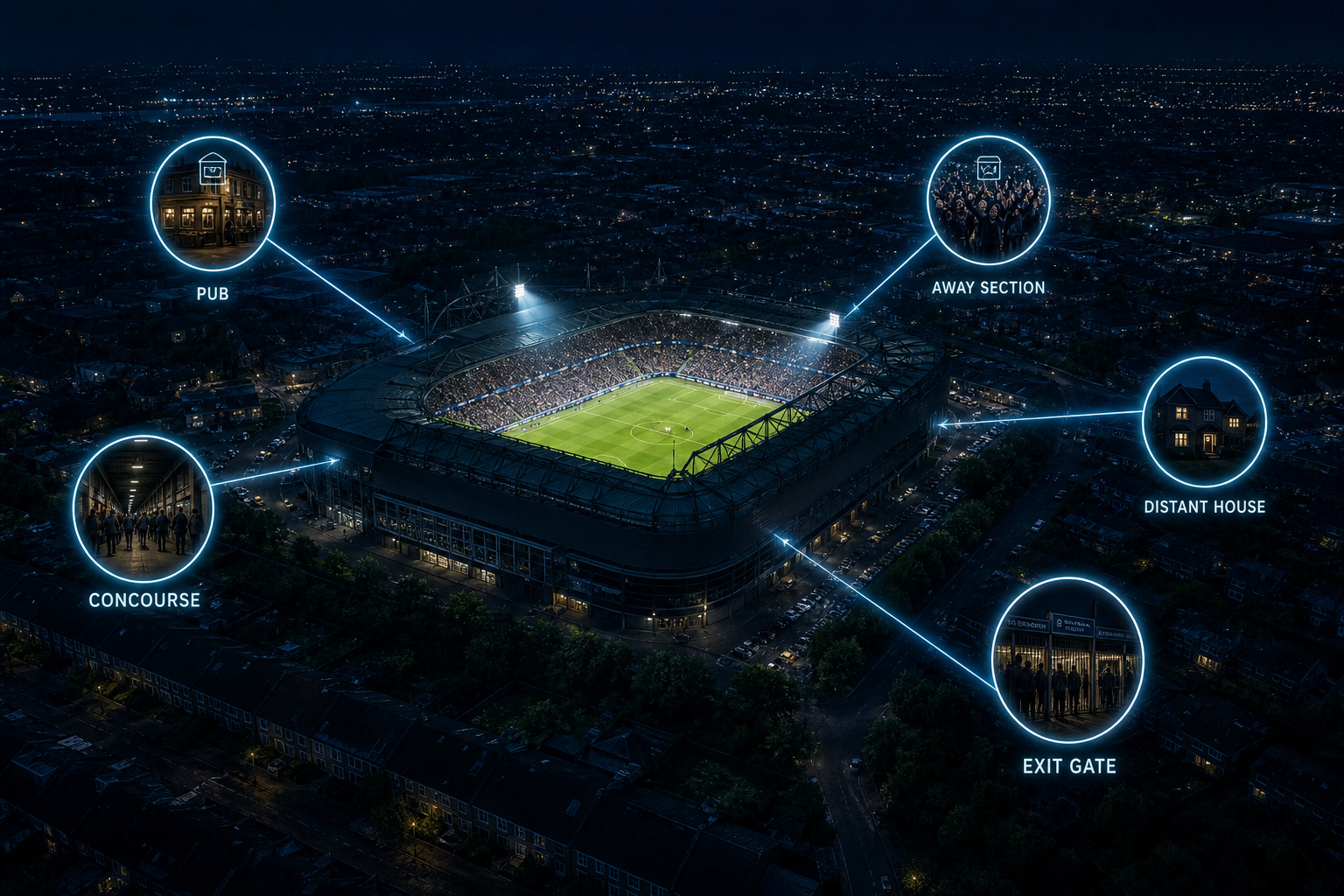
5 Ways Game Day Changed After Smoking Bans
August 25, 2026 3:50 pm Leave your thoughtsSmoking bans in UK football grounds reshaped five specific matchday rituals, including the pre-match pub stop, the half-time concourse, the away day, the living room, and the exit gate, by removing cigarette breaks from inside the ground and forcing habits to find new locations. The bans themselves are not the story.
Modern all-seater stadiums have been smoke-free long enough that a supporter under thirty has never known anything different, and that fact is settled. The story is where the behaviour went once it had nowhere to go inside the ground.
1. Pubs Became the Final Option
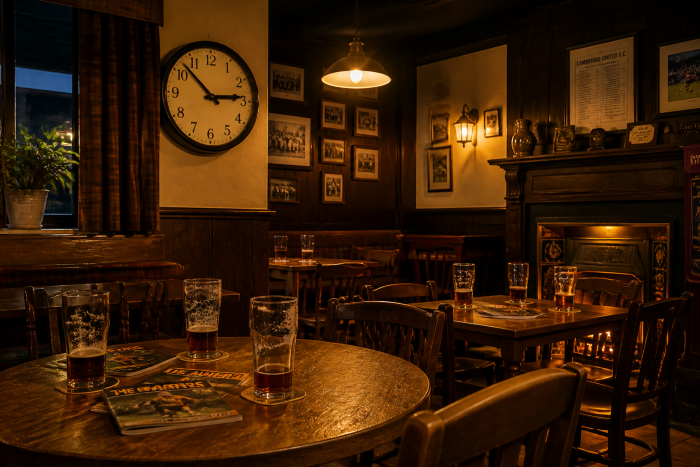
The pre-ban pub visit carried a particular rhythm. A supporter enjoyed a pint before taking a leisurely walk to the turnstile. The ban made the bar the last viable window before three hours inside the ground.
Following the legislation, the percentage of people smoking inside pubs or bars dropped from 36% to just 3%. This shift created a crowd that stays in the pub longer and drinks faster because the clock is constantly working against them. Supporters who once left the bar early now hold their ground until the last possible second.
The turnstile area used to absorb a meandering crowd across twenty minutes. Now it fills in a compressed rush right before kick-off, turning a leisurely cultural preamble into a last-orders sprint.
| Quote: A live matchday map now shows a compressed turnstile rush, not a meandering pre-match crowd. The final nicotine window narrowed, and the culture sprinted to meet it. |
2. Half-Time Stopped Being a Break
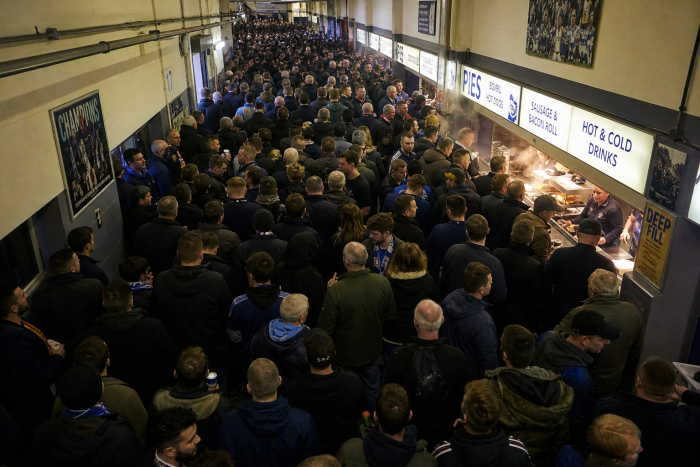
The old concourse worked because the crowd naturally self-sorted. One group bought food while another found a quieter corner for a break. Demand for the pie queue rarely peaked all at once.
Much like how reported smoking inside restaurants, cafes, or canteens decreased from 9% to 1%, indoor concourse smoking vanished completely. Removing that alternative forces the entire half-time crowd to converge on the counters in the same four-minute window. Fifteen minutes runs short quickly when two thousand people discover they share the same destination, and most concourses were never engineered to carry full simultaneous demand.
| Key Insight: Half-time concourses were never designed for simultaneous demand; when smoking left the interval, the food queue inherited the entire crowd and a new commercial load. |
3. Away Days Amplified the Problem
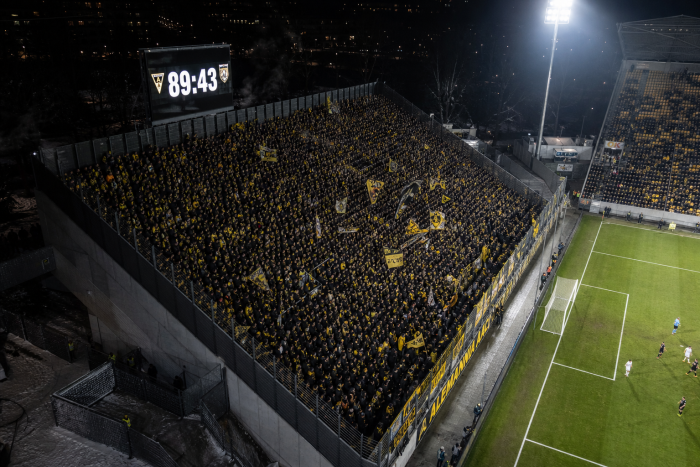
An away day concentrates every constraint the ban created while adding several new obstacles. A supporter might face an early morning coach departure followed by twenty minutes of standing in a turnstile queue for bag searches. Ninety minutes of football stretches even longer with injury time, and the return journey pushes the total trip to nine or ten hours without a single break.
This lengthy stretch without a viable exit point is exactly why many fans could consider switching to SESH+ Products’ tobacco-free wintergreen nicotine pouches. Options like this work directly in a seat without drawing attention or requiring any interruption during the match. At a home ground, a fan can drift out at full time and reach the pavement within three minutes, but the away end does not offer that luxury.
The away section remains enclosed while police manage the exit timing, keeping supporters locked in place. Leaving mid-match means losing the seat or potentially missing the coach altogether, so the away end quietly transformed into a primary location for new in-seat habits precisely because it offered the fewest alternatives.
| Pro Tip: For long away-day stretches with no exit, adult nicotine users have adopted discreet tobacco-free pouches that work in-seat without missing a minute. |
4. Home Viewing Retained Old Habits
The sitting room and the local pub with a screen remained untouched by stadium policy. Fans faced no bag searches, no concourse queues, and no designated exit windows. Whatever routines a supporter carried from the terrace era simply continued in those environments because there was no mechanism to interrupt them.
Watching at home stopped being the lesser option the moment the living room became the only context where the pre-ban routine survived. Fans watching at a local pub can step outside at halftime without losing their view for long, and those on a living room sofa face zero logistical hurdles. This maintained the exact pacing of a traditional matchday experience.
This reversal created a strange inversion within football culture. The stadium became the most restricted environment in the matchday geography despite being the centre of the atmosphere. The armchair supporter retained a level of latitude that the attending fan lost.
5. The Exit Gate Changed Completely
Post-match dispersal used to thin out gradually as the game concluded. Early leavers headed for the exits around the eighty-fifth minute while the main crowd followed after the final whistle. The area outside the ground filled in waves across twenty minutes or more, since fans had no particular congregation point and no reason to stop moving once they cleared the turnstile.
The final whistle now produces a defined cluster that moves quickly to the perimeter and stops just outside the gate. A shared routine anchors these supporters in one specific spot, reflecting broader behavioural shifts where people smoking outside increased significantly from 45% to 63% after the legislation. Supporters now gather by the burger vans or lean against the stadium fencing while waiting for friends to emerge.
This creates a secondary social space that never used to exist before the regulations took hold. A habit that once happened inside the ground as an unremarkable part of crowd dispersal turned into a deliberate act staged just beyond the exit line. Once the routine demanded an exit, it acquired a dedicated location.
The Sum of It All
The terrace era once held every matchday habit inside a single ninety-minute environment, but those routines now sit distributed across five separate locations. The pub absorbed the pre-match window while the concourse took on the half-time crowd. The away coach stretched the timeline into a nine-hour journey with no exit, pushing fans toward discreet, tobacco-free pouches that work directly in a seat.
The living room preserved what the stadium removed. Meanwhile, the exit gate acquired a regular group of lingering fans. None of these five rituals vanished, as each one relocated to the nearest viable gap in the matchday geography and simply resumed.
| Author Profile: SESH+ Products is a premium nicotine pouch manufacturer specialising in tobacco-free oral nicotine delivery systems designed for adult consumers aged 21 and older. |
Categorised in: Betting Tips, The Football Forum Blog
This post was written by Powered by thefootballforum.net