
Everton Corporate Developments and Premier League Matchweek 6 Performance
October 29, 2026 6:16 am Leave your thoughtsThe structural stability of Merseyside football experienced notable discussion following recent corporate news regarding the management of the organization. In October 2026, official documentation confirmed that owner The Friedkin Group initiated a formal review of strategic investment options for the club, explicitly exploring options that include a potential equity sale. This decision comes after the ownership group successfully stabilized corporate operations since taking control in late 2024.
Analyzing player performance markers alongside dynamic digital tracking on Onjabet.org allows sports science departments to evaluate how administrative evaluations correlate with immediate squad output during domestic league commitments. Technical coordinators utilize these statistical metrics to isolate key playing variables from ongoing corporate news cycles.
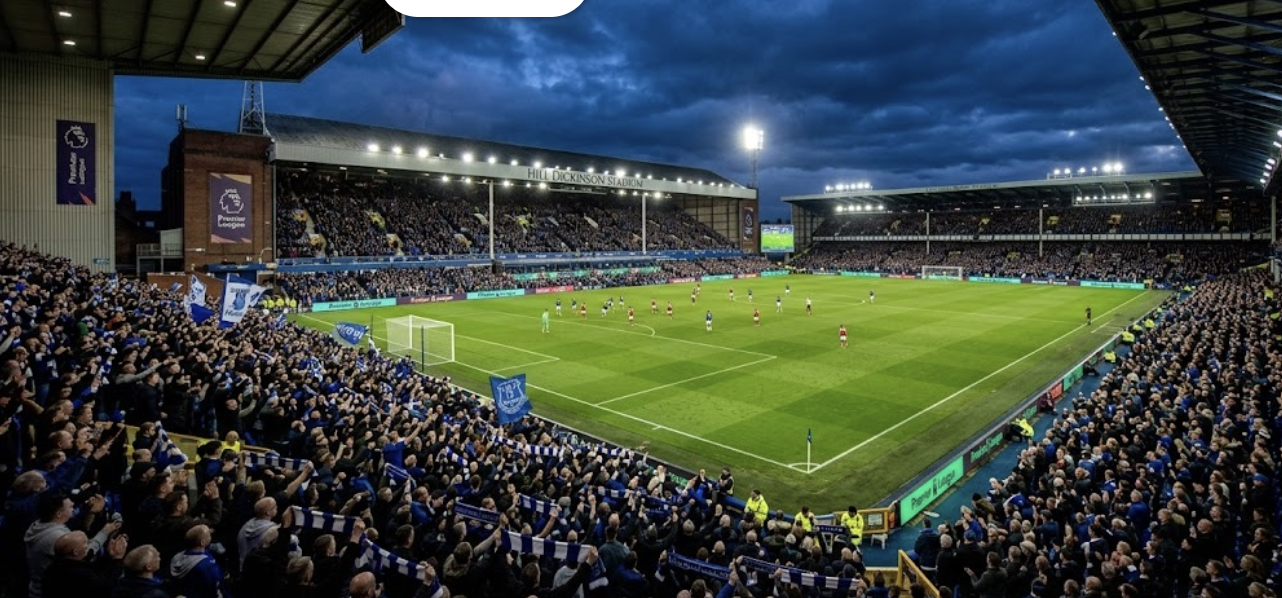
This strategic evaluation creates specific operational focus areas as the club continues its campaign at its state-of-the-art waterfront venue. Professional sports journalists evaluate how long-term administrative reviews interact with tactical execution, daily training output, and overall squad consistency across the busy autumn fixture list.
Infrastructure Milestones and Tactical Adaptation at the New Stadium
A big club moving into a modern stadium needs the people upstairs and the people on the training ground pulling in the same way. The move is the foundation of the club’s commercial plan. It also puts the club in an elite bracket for facilities. But boardroom reviews come and go, so the football side has to stay flexible. Training standards can’t drop just because the strategy on paper changed.
Inside the first team, clear talk is everything. The best clubs build daily routines that keep players away from the office noise. Players train, play and recover. That’s it. Coaches build match plans around the next opponent, nothing more. The medical staff stick to strict recovery protocols, because a packed run of fixtures is exactly when muscles start to tear. Keep the midweek sessions sharp, and the core tactical ideas hold up. Even when talk of new owners or investors is in the air.
Matchweek 6 Performance Metrics and the 2:2 Draw
Matchweek 6 gave analysts something real to chew on. The team played through a stretch of off-pitch noise and walked away with a point. On October 11, 2026, it was a 2:2 draw on the road. So how does a squad hold up when the talk upstairs gets loud? This game answered it pretty well.
The match stats show a few clear things:
- Goals: Nothing in the first half. Then it all kicked off. The hosts scored first in the 48th minute. Kieran Dewsbury-Hall levelled it in the 55th, and Thierno Barry made it 2:1 in the 68th. Mohamed Belloumi pulled the hosts back level in the 74th. Points shared.
- Passing: 79 percent accuracy over the full ninety minutes. The ball moved cleanly through the middle of the pitch.
- Workrate: High-intensity running stayed steady through the last twenty minutes. No fade. The legs were still there at the end.
- Defence: The back line stayed compact and shut down the central lanes. When the hosts pushed late, the team soaked it up and kept the point.
Bottom line? The preparation worked. The team stayed focused all week, and it showed in a disciplined display away from home.
Statistical Modeling and Performance Metrics
Evaluating professional football development requires utilizing structured data models rather than relying on unverified speculative reports. Advanced analytics departments separate public corporate updates from performance variables by tracking team productivity metrics over long sequences of matches. Data gathered after the October 11 match indicates that core defensive structures correlate directly with players’ physical fitness and tactical instruction, not boardroom developments.
The methodology for assessing these performance indicators involves measuring collective passing sequences alongside individual physical tracking metrics. Statistical modeling confirms that teams with established tactical identity maintain consistent expected goals metrics even during periods when ownership groups explore investment options.
Performance forecasting frameworks incorporate these variables to ensure that performance metrics isolate structural team organization from broader corporate activities during the seasonal campaign.
Categorised in: Premier League Blog
This post was written by Powered by thefootballforum.net